



Profile
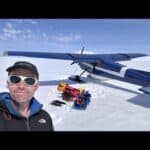
Stuart Dunning


-
About Me:
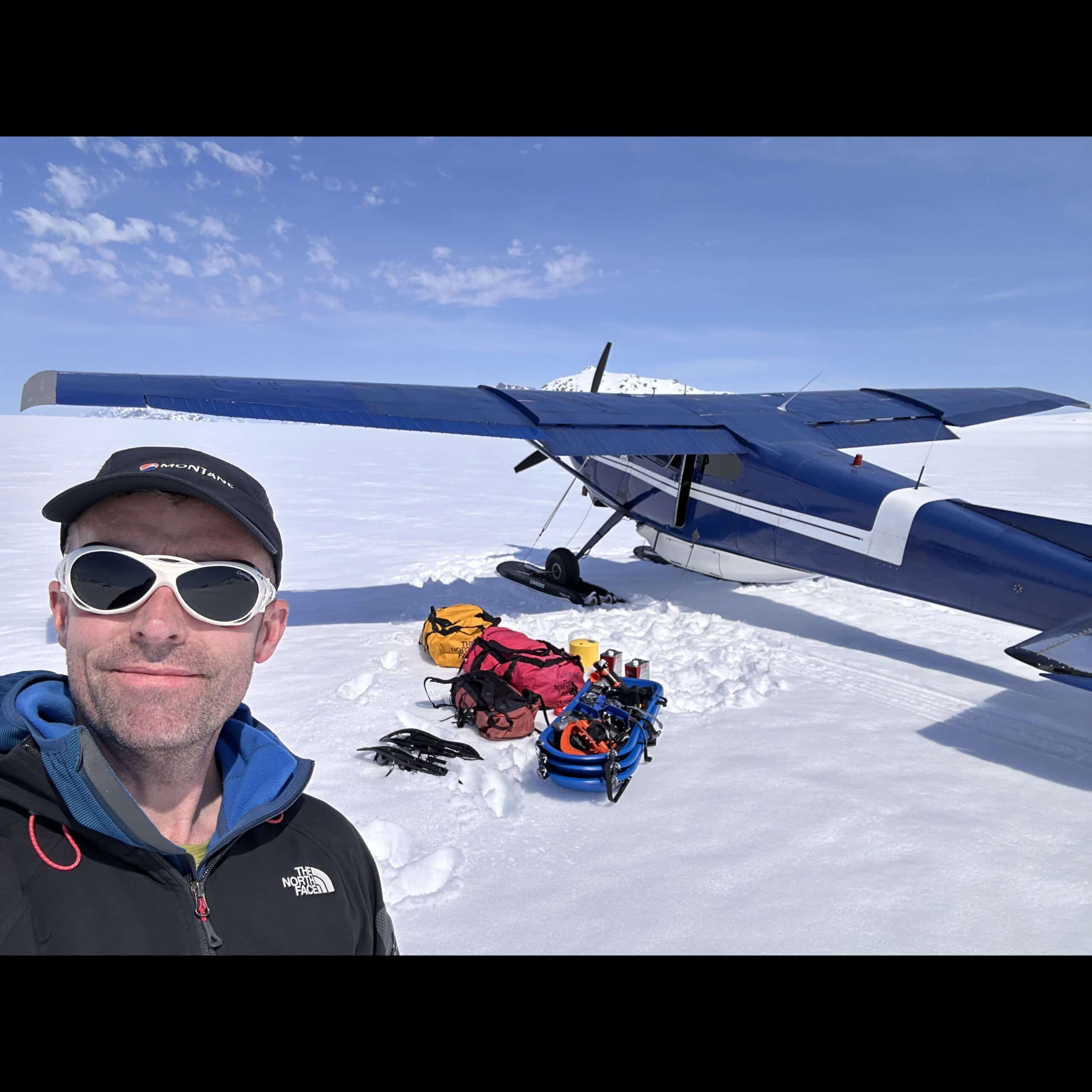
I live just north of Newcastle Upon Tyne, although I’m originally from the Wirral. By day i’m a Geography Professor, but, my work creeps into my out of work interests too…. I like being in the hills as often as I can, running, climbing, cycling.
-
Read more
I grew up not being that interested in the mountains, but, did spend many a summer on family camping holidays and I lived close to coast. When I headed off to University to do a Geology degree (I actually applied for a mix of Psychology & Geology degrees as I had no idea what I wanted to be) I spend more and more time outdoors on module trips. It was those trips that got me into the outdoors and ever since i’ve walked, climbed, cycled or ran in as many mountainous places as I can. I am sometimes found on a paddleboard but the sea is a scary place compared to the mountains! I spend a good chunk of time trying to get my kids (11 & 6) out in the hills too.
-
My pronouns are:
He/Him
-
How I use Geography in my work:
I’m a Geography Professor – what that actually means is I spend 40% of my time teaching about hazard and risk, glaciers, and landslides, 40% of my time carrying out research into ‘applied Geomorphology and natural hazards, and the last 20% is doing administration (badly).
-
My Work:
I’m a geographer looking at hazard and risk from landslides, glacial lake outburst floods. I often carry out this work in glaciated regions and high mountains and it involves monitoring, modelling, mapping and putting numbers on ‘How big? How often?’ and ‘What do we do about it?’
-
Read more
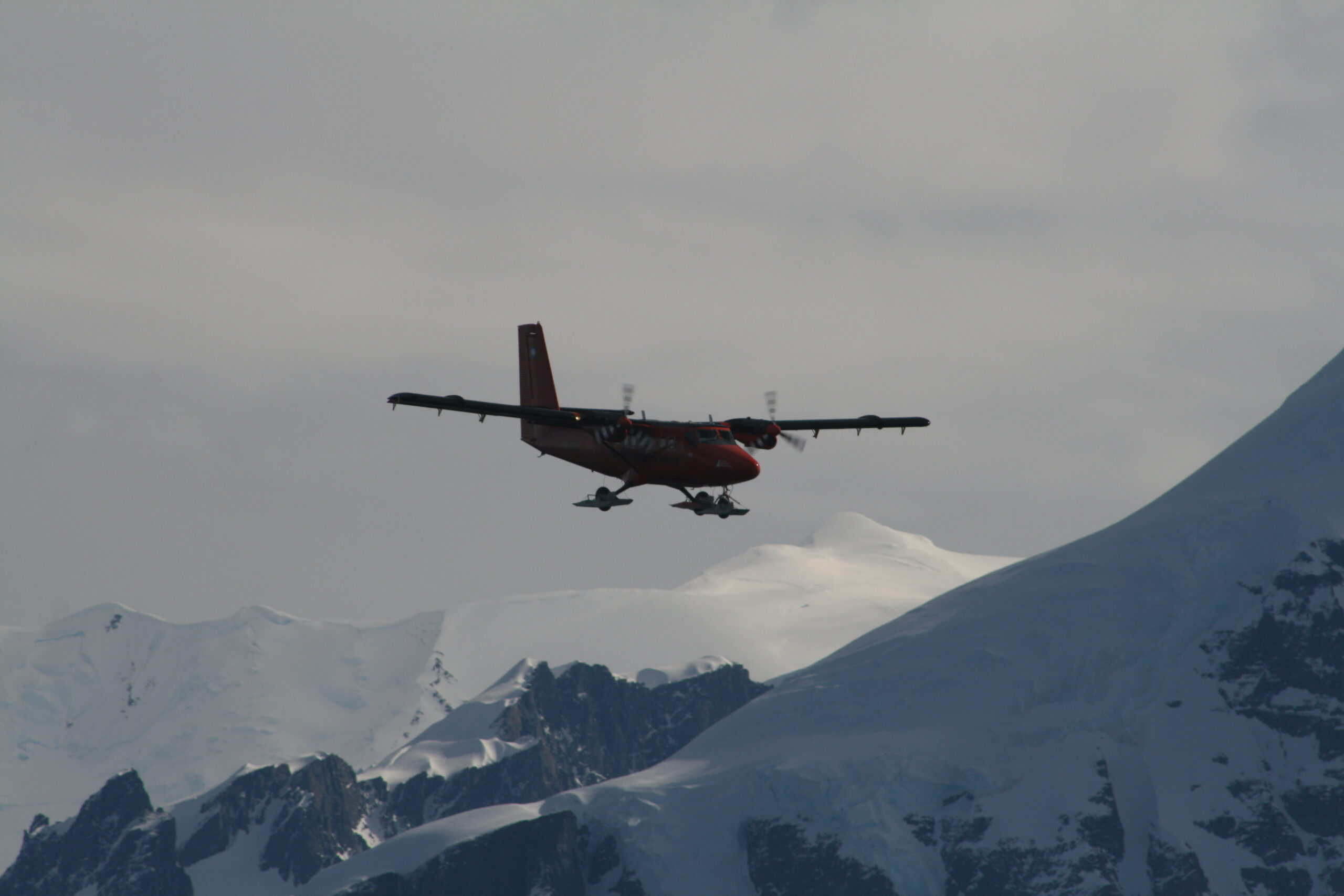
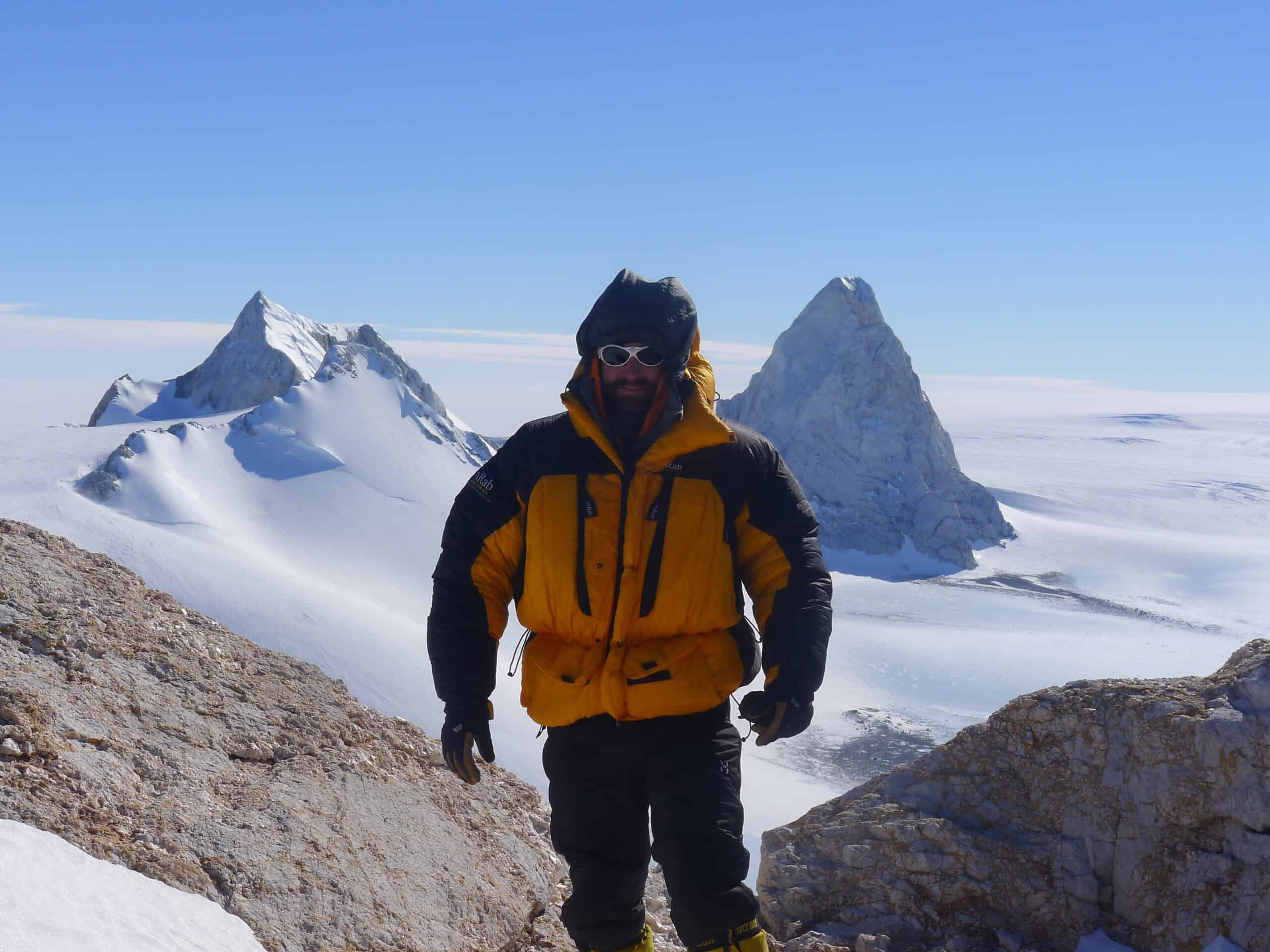
I started out as a geologist, with lots of time during my degree mapping rocks and their relationships to each other. I always thought I’d end up working in oil & gas, or mining, but the more time I spent in the mountains and on the coastlines, the less I wanted that. I now research the threats that landslides pose to people and things we care about (buildings, roads, rail, power lines, fibre optics etc). These events can be triggered by earthquakes, rainfall, climate change (e.g. permafrost changes) and galcier retreat. I use realtime monitoring like seismometers, water level sensors, laser scanners, but also computer modelling and lots of remote sensing (satellite data). I love being outside, so I build in as much fieldwork as I can, i’ve looked at landslide issues in Antarctica, Greenland, the Himalaya (Bhutan, India, Pakistan) as well as the Alps and a LOT of time looking at Scottish landslide problems.
-
My Typical Day:
I work with scientists and impacted people all around the world. This often means some weirdly timed calls and emails to match other time zones around getting kids off to school and dog walking. I get to work around 8:45, deal with the chaos of email then my day goes two ways – 1) teaching dominated, a mix of computer practicals, lectures and meeting about their projects and work 2) a research day, this is a real mix of the data collection, processing and working out new ways to study problems, followed (hopefully) by breakthroughs, when you discover something new that no-one else has EVER known.
-
Read more
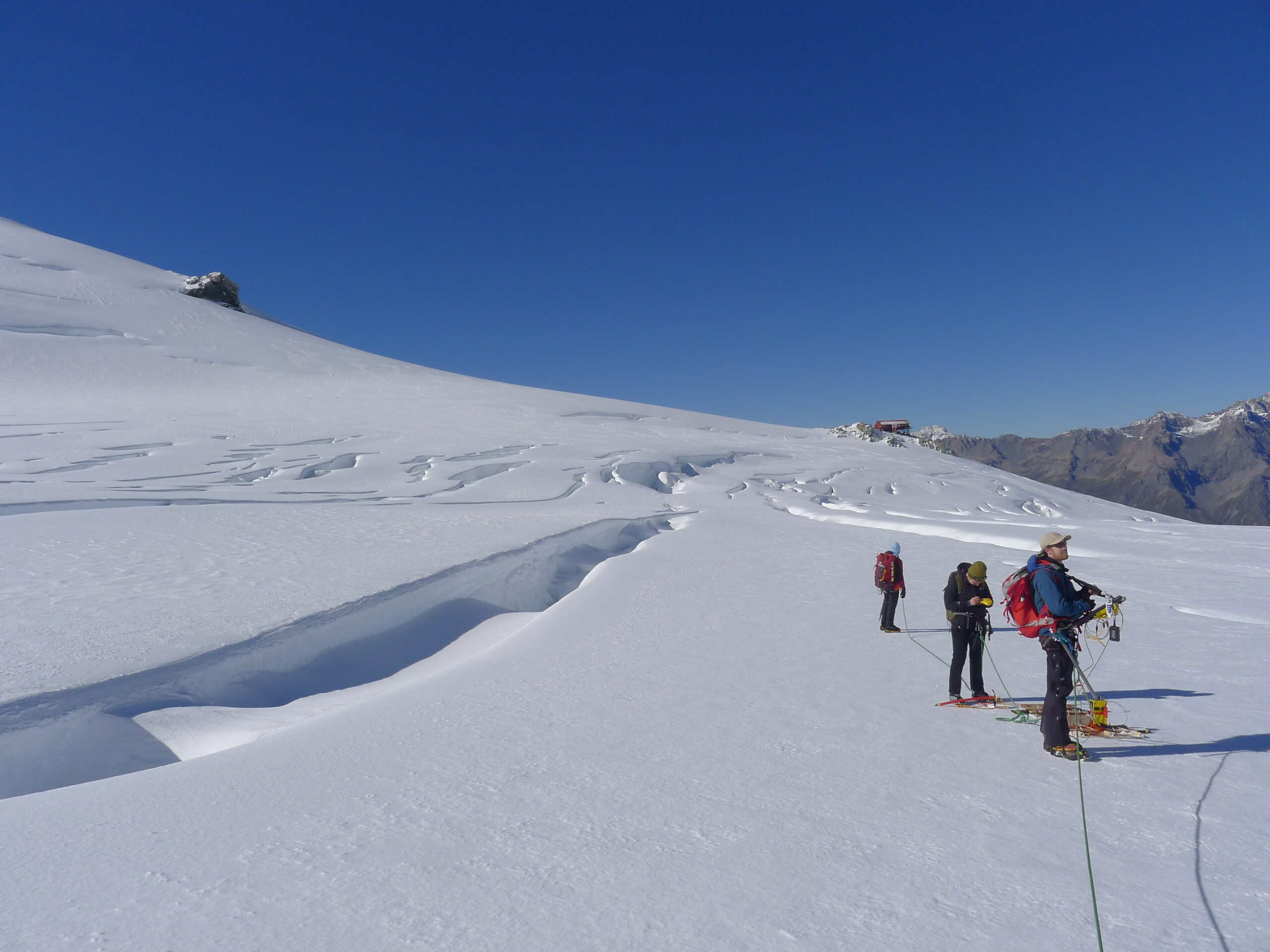
I spend lots of time figuring out how to approach the geography questions I ask – for example ‘how dangerous would that glacial lake be if it emptied due to a landslide?’ I have to work out how a flood might be triggered, where it would go and how fast, and, who is in the way at the time of day the flood occurs. I use a mix of remote sensing (e.g. Landsat and Sentinel 2) to look at how slopes are moving, then models to route water along valleys, and then I use map data, census data, and bring it all together in a GIS to work out who is at risk and what could we do to reduce this risk. A typical day can always be away from the office putting it into practice – so installing lake sensors, or time lapse cameras that track hillslope moving, or carrying out mapping/surveying. There are not that many days that are the same, part of what I love about Geography as we get to use so many skills that you may think of as ‘Geography’ – i’m part engineer, cartographer, modeller, coder, remote sensor, risk communicator etc
-
What I'd do with the prize money:
Experiments that can be carried out by schools! We have a great classroom model to show how debris flows work and how we can protect people, we throw mixes of sand and mud down a 2m piece of guttering and see how we can stop the flow. Building up a set of them along with teaching resources and the instructions on how to build more would get this into classrooms along with some pre-recorded resources for teachers.
-
My Interview
-
What did you want to be after you left school?
I had no idea, absolutely none,
Were you ever in trouble at school?
No, I hung around with some of the wrong crowd but still managed the good marks! I did fall out with my A-level leads at school and took myself off to college to do them instead.
If you weren't doing this job, what would you choose instead?
Geotechical engineer
Who is your favourite singer or band?
Gaslight Anthems
What's your favourite food?
Curry, spicy
If you had 3 wishes for yourself what would they be? - be honest!
1. To be a faster runner. 2. To never be worried about money or work. 3. To have a mountain named after me :-)
Tell us a joke.
What's read and doesn't exist? No tomatoes (my kids hate it, which makes me like it more)
-